Car Carriers in Australia: Everything You Need to Know Before You Book
19-Jan-2026Shipping a car can be confusing, especially if you’re doing it for the first time. There are lots of questions on which is the best shipping company, what kind of carrier you need and how do you know that your vehicle will be safe whilst it is being transported.
This guide will help you with those questions regardless of whether you are relocating, purchasing a car from another State, or transporting your fleet for your business. Below is everything that you will need to know before you book your car transport in Australia.
What Does a Car Carrier Actually Do?
A car carrier is a purpose-built transport vehicle that transport your car to your destination without adding a single extra kilometre to your odometer. Every day, car carriers work across Australia transporting cars owned by private individuals, car dealerships, car auction buyers, car rental companies and large corporate fleets
The people operating these carriers aren't just drivers. They're trained in vehicle securing, Australian road regulations, and long-distance logistics. When you hand your keys over, you're handing them to someone who does this for a living not someone winging it on an unfamiliar route.
The Two Main Types of Car Carriers in Australia
Choosing the right carrier type comes down to your vehicle and your budget. There's no universal right answer it depends on what you're shipping.
Open Car Carriers
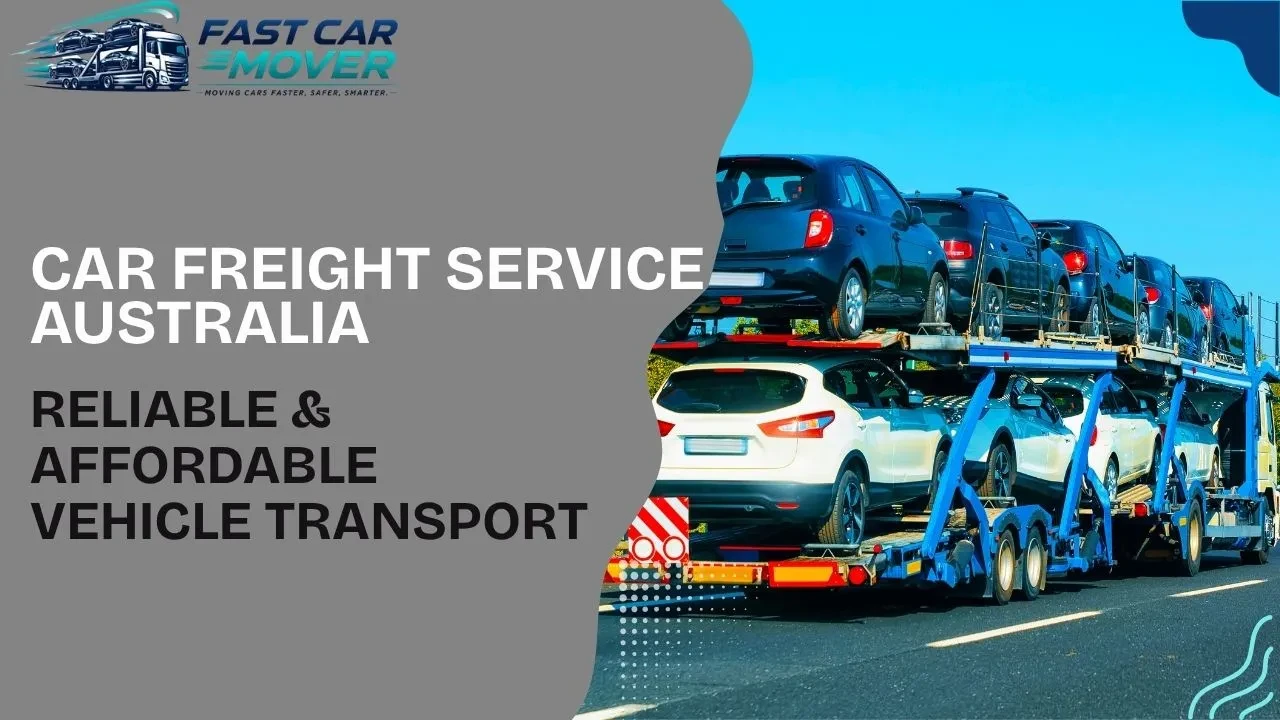
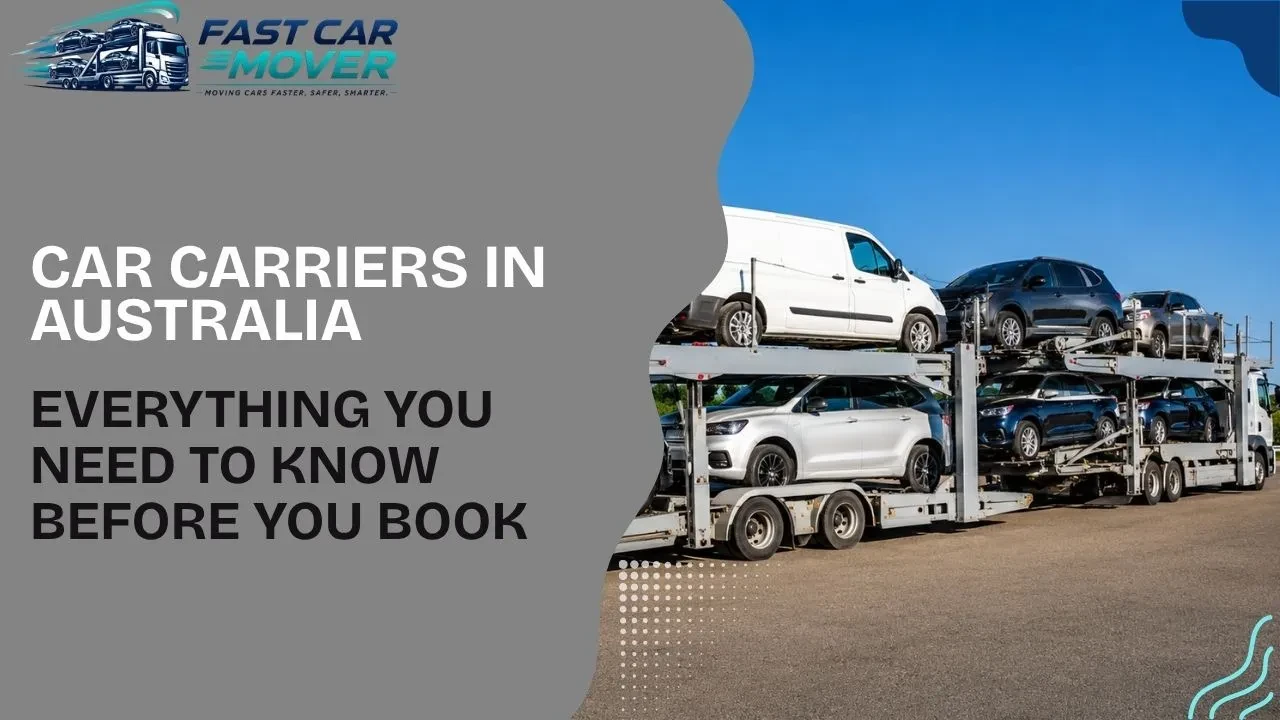
Open carriers are the workhorse of the industry. You've probably seen them on the highway multi-level rigs loaded with vehicles, all exposed to the elements. They're the most common choice for a reason: they're reliable, widely available, and more affordable than the alternative.
For most everyday vehicles your family sedan, your SUV, your hatchback open transport is perfectly fine. Dealerships use it constantly to move stock, and there's nothing wrong with it for standard cars.
Enclosed Car Carriers
Enclosed carriers are a different story. Your vehicle travels in a fully sealed trailer, protected from weather, road debris, dust, and anything else the highway throws at it. There's no exposure, no risk from flying gravel, no UV fading on that freshly detailed paint job.
If you're transporting a classic, a luxury vehicle, a high-performance car, or anything you'd be genuinely upset about if it arrived with a stone chip enclosed is worth the extra cost. It's not just about the vehicle's monetary value. It's about peace of mind.
Why People Choose Professional Car Carriers Over Driving Themselves
The idea of just driving the car yourself sounds simple enough. But once you do the actual maths, professional transport often makes more sense than people expect.
Think about what a long interstate drive actually costs: fuel across hundreds or thousands of kilometres, one or two nights of accommodation along the way, meals on the road, and the wear and tear those kilometres put on your engine, tyres, and brakes. Then add the time you've spent time that could have gone toward settling into your new place, getting back to work, or simply not spending two days on the highway.
Professional car carriers handle the drive. You handle everything else.
Beyond the cost comparison, there's the safety angle. Long-distance driving through unfamiliar regions, often solo, over multiple days, carries real fatigue risk. A professional carrier eliminates that entirely.
Who Actually Uses Car Carrier Services?
The short answer: a lot more people than you'd think.
Private owners moving interstate make up a big chunk of the market people relocating for work, lifestyle changes, or family reasons who don't want to add thousands of kilometres to their car before they've even arrived. Buying a vehicle from interstate is another common trigger. You find the right car in Melbourne, you're based in Brisbane car transport closes that gap without you needing to fly down and drive back.
Car dealerships rely heavily on carriers to move inventory between branches and deliver vehicles to customers who've purchased remotely. Rental companies use them to rebalance fleets between locations. Auction buyers particularly those purchasing through Pickles, Manheim, or Grays often need vehicles moved quickly from yards in other states, sometimes when the car isn't even registered or running.
Businesses managing corporate fleets use carriers to handle large-scale vehicle movements efficiently, without pulling staff off other tasks to manage the logistics.
Interstate Routes: Where Car Carriers Operate Most
Australia's major interstate corridors see constant carrier traffic. Some of the most frequently serviced routes include:
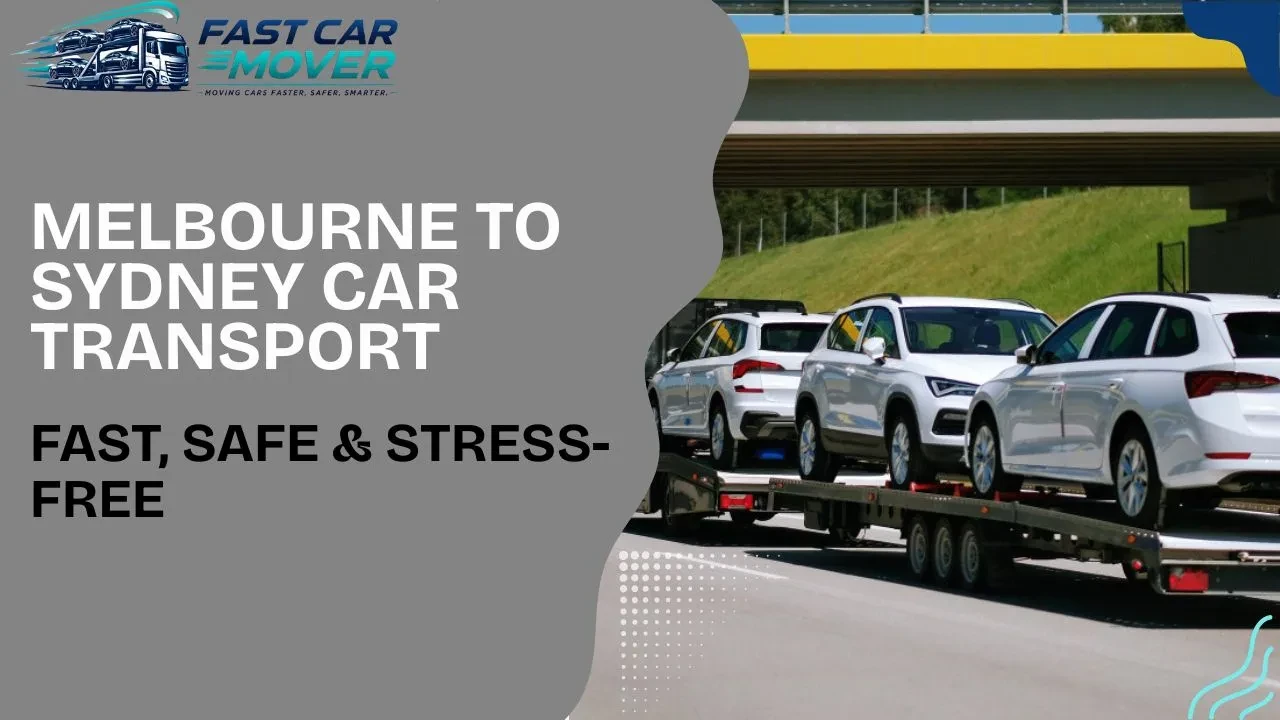
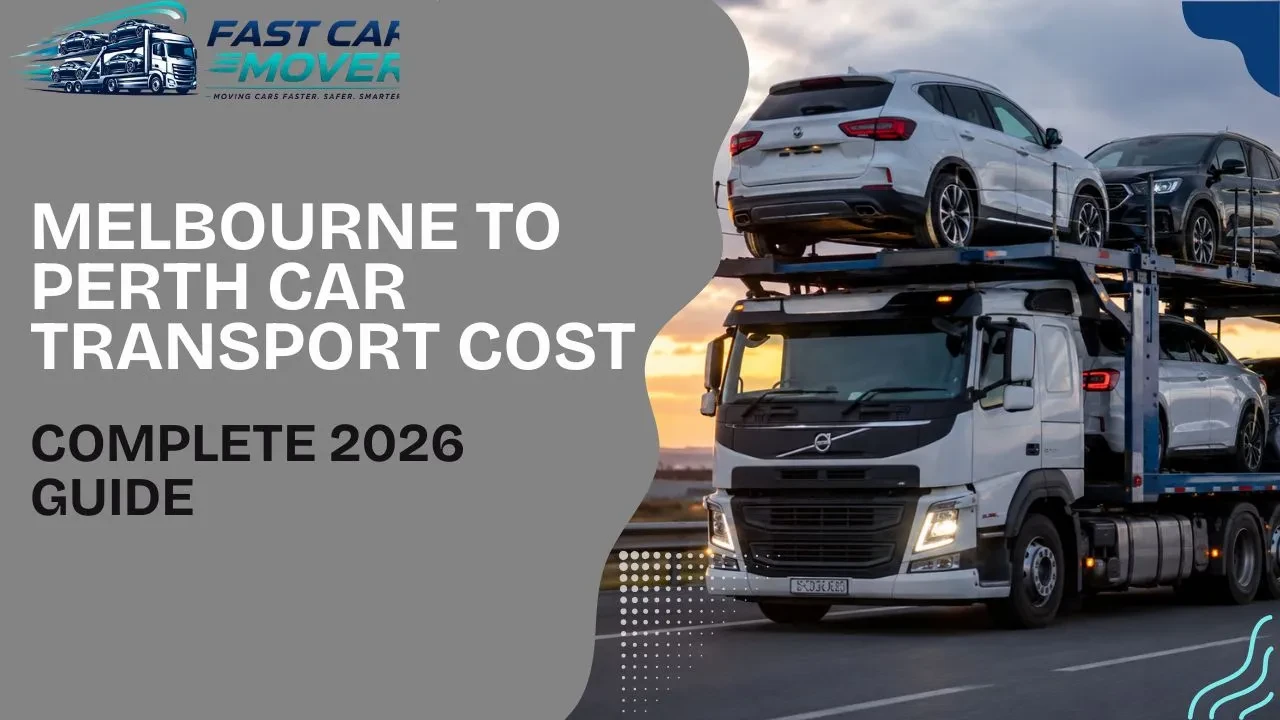
Melbourne to Sydney, Sydney to Brisbane, Brisbane to Perth, Adelaide to Melbourne, Perth to Adelaide, and Darwin to Brisbane along with dozens of regional connections between these cities and the towns around them.
If you're on a major route, scheduling is usually straightforward. Regional and remote areas may require a bit more lead time, but a good transport company will work with you on timing rather than leave you stuck.
Door-to-Door vs Depot-to-Depot: Which One Makes Sense for You?
This is one of the most practical decisions you'll make when booking car transport, and it comes down to convenience versus cost.
Door-to-door means exactly what it sounds like. The carrier comes to your address, loads your vehicle, and delivers it to wherever you need it your new home, your business, a specific address. There's no need to organise a drop-off, no depot trip, no waiting around. For most people, especially those in the middle of a move or working to a tight schedule, this is the right choice.
Depot-to-depot is more economical. You drop the vehicle at a depot near you, and the recipient collects it from a depot at the other end. It takes more coordination on your part, but if you're flexible and the depots are conveniently located, the savings can be meaningful.
Neither option is wrong it depends on how much your time is worth and how much flexibility you have in the schedule.
What Determines the Cost of Car Transport in Australia?
Pricing varies, and it helps to understand the factors behind it so you can make sense of any quote you receive.
Distance is the biggest driver Melbourne to Sydney is a very different job to Melbourne to Perth. The type of carrier matters too, with enclosed transport costing more than open. Your vehicle's size and condition play a role as well; larger vehicles take up more space, and non-running cars require special equipment to load.
The pickup and delivery locations affect pricing because urban areas are easier to service than remote ones. Seasonal demand can shift prices slightly peak moving seasons tend to push quotes up across the industry.
Transparent companies will explain these factors clearly. If a quote arrives with no breakdown and no explanation, that's worth asking about.
Transporting Auction Vehicles: What You Need to Know
Auction vehicles come with their own set of logistics. They're often unregistered, which means they can't legally be driven on public roads. Some are non-running bought as project cars or for parts which requires specialised loading equipment. And they're frequently in another state entirely from the buyer.
A good car carrier company handles all of this routinely. They know how to load non-runners, they work with the depot or auction yard for pickup, and they deliver to wherever you need the vehicle to go. If you're a regular auction buyer, building a relationship with a reliable transport provider makes the whole process significantly smoother.
Fully Insured Transport: What That Actually Means
"Fully insured" is a phrase that gets used a lot in this industry, and it's worth understanding what it covers before you assume everything is protected.
Good transport insurance covers your vehicle against damage that occurs during transit loading, unloading, and time on the carrier. It doesn't cover pre-existing damage, which is why a proper pre-transport inspection (with photos) matters. Make sure any damage that exists before pickup is documented in writing so there's no dispute on delivery.
Ask for specifics before you book. What's covered? What's the excess? Are there exclusions? A reputable company will answer these questions without making you feel like you're being difficult.
How to Book Car Transport: The Process Is Simpler Than It Looks
Most people overthink this part. Booking car transport with Fast Car Mover takes a few straightforward steps.
You request a quote providing your pickup location, destination, vehicle details, and preferred timing. Once you've reviewed the pricing and chosen your transport type, you confirm the booking and schedule the pickup. From there, the carrier handles the logistics. You receive your vehicle at the other end, do a quick inspection against the pre-pickup condition report, and you're done.
The whole process, from quote to delivery, is designed to be low-effort on your end. That's the point.
Final Thoughts
Car carriers are how Australia moves vehicles from one end of this enormous country to the other, safely and without fuss. Whether it's a single car or an entire fleet, the right transport company makes the experience straightforward rather than stressful.
Fast Car Mover operates nationwide, offers both open and enclosed transport, and handles everything from private vehicle relocations to dealer stock movements and auction pickups all with full insurance and transparent pricing.
Get a free quote today and find out how simple interstate car transport can actually be.